.png)

How Deep Should Horse Arena Footing Be for Different Disciplines?
Published on:
April 15, 2026
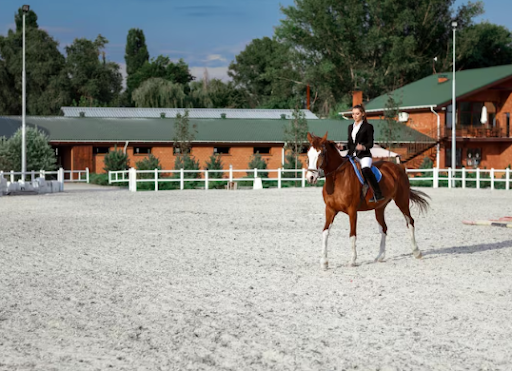
Getting horse arena footing right can feel like a guessing game. Too shallow, and every step is a hammer hitting your horse’s legs. Too deep and they’re slogging through sand, tiring fast.
The truth? Depth, layers, and materials all matter. Not just any sand will do. The right combination makes the arena ride smooth, safe, and predictable, every day, every ride.
Whether it’s dressage, jumping, western riding, or casual walk-trot, knowing how deep your footing should be changes everything. Get it right, and your horse will move better, feel stronger, and stay safer.
What Is Horse Arena Footing?
Horse arena footing isn’t just sand dumped on dirt. A proper arena starts with a solid base—packed soil, gravel, or crushed rock. This keeps the arena stable and helps water drain. Without a good base, the arena won’t ride right, no matter what you put on top.
On top of that go your footing layers. This is usually sand for horse arena footing, often mixed with other materials like fibers or rubber. These layers give cushion, traction, and stability.
The top layer is what your horse actually touches. That’s where depth matters most. Too little and it’s hard. Too much and it’s sloppy. Done right, it protects joints, reduces fatigue, and just feels good to ride on.
Why Sand for Horse Arena Footing Matters
Not all sand is equal. Angular grains are key. Rounded beach sand just moves around and makes the surface inconsistent. Washed equestrian-grade sand holds together, drains well, and keeps the surface consistent.
Mixing this sand with the right horse arena footing materials makes a surface that’s forgiving but firm. The sand and layers work together to absorb impact without making the horse feel like they’re trudging through mud.
Typical Footing Depths By Discipline
Dressage
Dressage needs a surface that cushions without feeling heavy. You want horses to move freely and balance without sinking.
Depth: 3 to 4 inches. Enough cushion to protect legs but not so soft that it slows movements.
Jumping
Jumping hits the legs hard on take-off and landing. You need a slightly deeper footing so the impact isn’t brutal.
Depth: 4 inches for general jumping. 4.5 to 5 inches for arenas that see heavier work or gallops. It’s all about shock absorption.
Western Disciplines (Reining, Cutting, Barrel Racing)
Western riding needs a deeper footing for stops, slides, and sharp turns. Horses need to dig in, but they can’t sink too far.
Depth: 4 to 5 inches, depending on discipline and arena use. Enough cushion for slides, but firm enough to stay consistent.
Walk/Trot Arenas and Light Use
Casual riding doesn’t need deep footing. Too much can actually be worse and harder to maintain.
Depth: About 3 inches. Comfortable for light riding and keeps the arena easy to manage.
Layers Matter
Depth alone isn’t enough. The way layers are built makes a huge difference.
- Base: Packed soil, gravel, or crushed rock. Supports the arena and drains water.
- Footing layer: Sand plus fibers or rubber. Cushions, grips, and keep the surface consistent.
Think of it like a cake. The base is the board, the top layers are the cake and frosting. Every layer matters. Get one wrong, and the surface feels off.
Don’t Go Too Deep
More isn’t always better. Over 6 inches of just sand, and your arena gets heavy, sloppy, and tiring for horses. Joints and muscles take more stress. The sweet spot gives cushion without drag.
Practical Guidelines
- Make a solid, draining base first.
- Pick good sand for horse arena footing, angular, washed, equestrian-grade.
- Add horse arena footing materials if you want extra cushion or traction.
- Start with 3 to 4 inches and test it. Ride, feel it under hooves, adjust as needed.
- Add half-inch increments to fine-tune. Slow and steady works better than dumping too much.
- Maintain it. A consistent arena beats one with giant soft spots.
Why Work With Western Materials
We at Western Materials supply sand and horse arena footing materials built for real arenas. Outdoor horse arena footing, layered surfaces, fiber blends, we help pick the right mix for your discipline and riding style.
Whether you’re building new or topping off an existing arena, our team makes sure it rides right, drains right, and lasts. Safe, consistent footing is what we do.
Conclusion
Horse arena footing is simple if you get the layers, depth, and materials right. The right sand, proper layering, and adjusting depth based on discipline keep horses safe and performing well.
For top-quality horse arena footing materials and advice, the team at Western Materials can help create a surface that rides well, lasts long, and keeps horses happy.
Upgrade Your Footing
FAQs
How do I figure out the right depth for my arena?
It comes down to what you ride and how much you use the arena. Dressage? 3–4 inches works. Jumping? 4–5 inches. Reining, cutting, or barrel racing? 4–5 inches too. Start small, test it under your horse’s hooves, and tweak until it feels just right.
What’s the best sand for horse arena footing?
Go for angular, washed, equestrian-grade sand. It locks together, drains fast, and keeps the footing consistent. Beach sand or super fine sand? Forget it. It shifts, slides, and makes every step unpredictable. Your horse will thank you.
How many layers should I put in my arena?
At least two. The base, packed soil or gravel, holds everything up and drains water. The top layer, sand plus optional fibers or rubber, gives cushion and grip. Both are crucial. Skip one, and the arena won’t ride right. Simple as that.
Can I make my arena deeper if I want?
Sure, but don’t overdo it. Add in small increments, half an inch at a time. Too much depth and you’re asking your horse to slog through mud, which tires them out fast and makes maintenance a headache.
.avif)
Materials management and founders
have produced and supplied high quality
sand and gravel to contractors &
aggregate users across California.
.svg)
.svg)


